Nutritionizm · Evidence-Led Nutrition
Plain-language food nutrition data linked to peer-reviewed research.
Educational nutrition library: food nutritional values, plain-language health explanations, and peer-reviewed research papers linked by DOI.
USDA data - DOI-linked research - validated before publishing Data sources · Our method · Open JSON/CSV
Foods by Category
Browse foods and products by category, with per-100g and per-serving nutrient profiles.





Key Nutrients
Reference daily values, physiological functions, and top whole-food sources per 100 grams.
Iron
Iron is a mineral that helps carry oxygen in the blood. It is essential for healthy red blood cells.
Daily Value: 18 mg
Sodium
Sodium is a mineral found in salt. It helps control fluid balance and nerve signals.
Daily Value: 2300 mg
Total fat
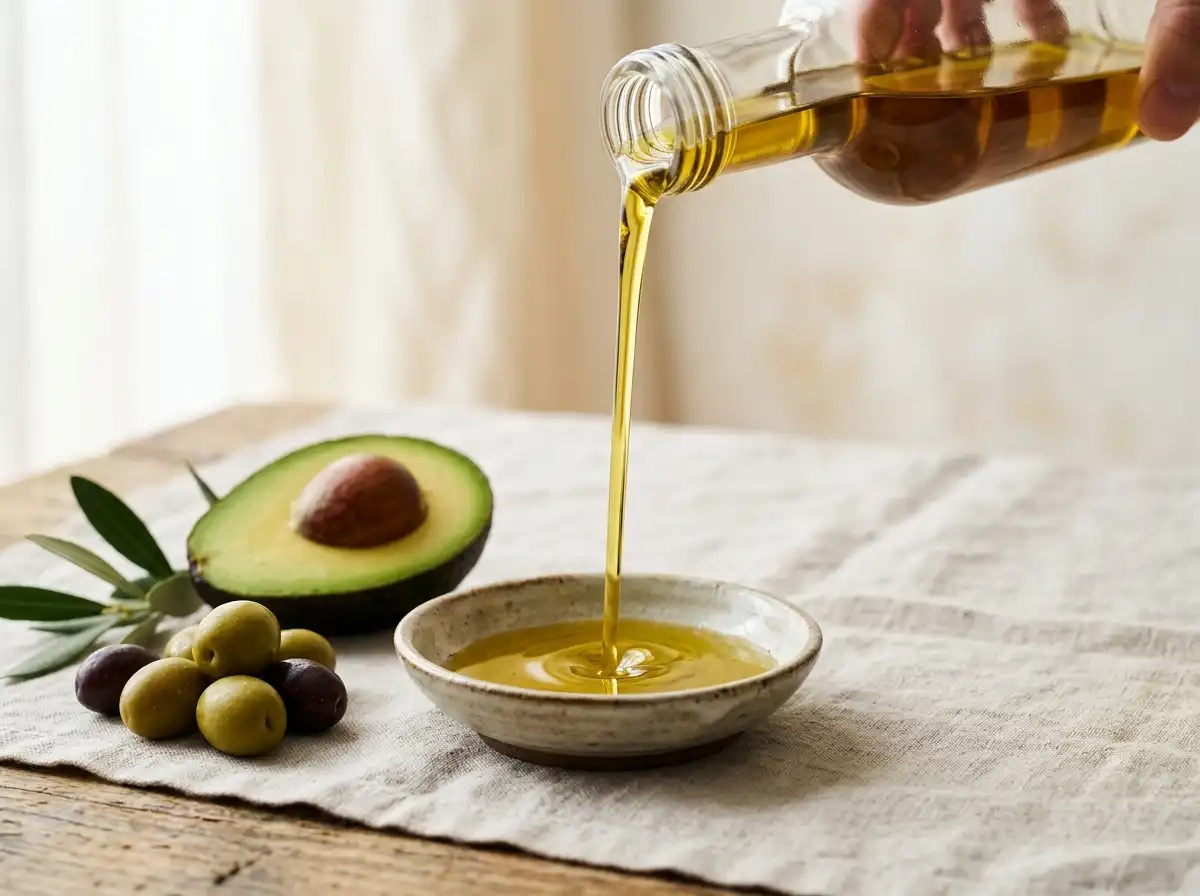
Total fat is a major nutrient that gives your body energy and helps it absorb important vitamins. It also provides essential building blocks for cells and tissues.
Daily Value: 78 g
Total sugars
Total sugars are carbohydrates that supply energy to the body. The FDA daily value is 50 g.
Daily Value: 50 g
Vitamin B12
Vitamin B12 is a water-soluble vitamin important for making red blood cells and DNA. It helps keep the nervous system healthy.
Daily Value: 2.4 ug
Vitamin C
Vitamin C is an essential water-soluble vitamin that the body cannot produce on its own. It acts as an antioxidant to help protect cells from damage and keep body tissues healthy.
Daily Value: 90 mg
Vitamin D
Vitamin D is a nutrient that helps the body absorb calcium to keep bones strong. It works by turning into a hormone that regulates calcium and phosphate.
Daily Value: 20 ug
Zinc
Zinc is a mineral that plays a role in many bodily functions, including immune system function and wound healing.
Daily Value: 11 mg
How We Verify
1
Normalized USDA Data Spine
Every food profile is normalized per 100 g and per household serving from USDA FoodData Central and Open Food Facts with source IDs.
2
DOI-Linked Research Digests
Health explanations translate peer-reviewed nutrition studies into plain language, linking every claim directly to its primary DOI.
3
Automated & Human Gate
Every numeric figure is cross-checked against the source table and verified before a page enters the public search index.
Tools and Resources
Daily calorie and BMR calculator
Estimate resting metabolic rate (Mifflin-St Jeor equation) and daily energy needs by activity level.
Research digests
Plain-language summaries of peer-reviewed nutrition and health papers. Every digest links to the original via DOI.
Nutrition glossary
Plain-language definitions of common nutrition, metabolism, and food science terms.
Featured Foods
- Beets, raw
Per 100 g, Beets, raw has 1.688 g of protein, 0.302 g of fat, and 8.787 g of carbohydrates. It also provides 3.119 g of fiber and 341.5 mg of potassium.
- Limes, raw
Limes, raw provide 30 kcal, 0.7 g protein, 0.2 g fat, 10.54 g carbohydrates, 2.8 g fiber, and 29.1 mg vitamin C per 100 g.
- Celery, raw
Celery is low in calories, with 14.8 kcal per 100 g, and contains small amounts of protein, fat, and carbohydrates, plus potassium, sodium, calcium, magnesium, and zinc.
- Garlic, raw
Raw garlic provides about 143 kcal, 6.6 g protein, 28 g carbohydrates, 2.7 g fiber, 10 mg vitamin C, and less than 0.5 g fat per 100 g.
- Onions, raw
Per 100 g, raw onions provide 40 kcal, 1.1 g protein, 0.1 g total fat, 9.34 g carbohydrates, 1.7 g fiber, 4.24 g sugars, 7.4 mg vitamin C, and 146 mg potassium.
- Bananas, raw
Raw bananas give about 89 kcal, 1.09 g protein, 0.33 g fat, 22.84 g carbs (including 12.23 g sugars) and 2.6 g fiber per 100 g.
- Cabbage, raw
Raw cabbage has 25 kcal, 1.28 g protein, 0.1 g fat, and 2.5 g fiber per 100 g. It also provides 36.6 mg vitamin C and 43 ug folate.
- Papayas, raw
Papaya has 43 kcal, 0.47 g protein, and 0.26 g fat per 100 g. It also provides 60.9 mg vitamin C and 37 ug folate.
Research digests
- 2022 Open Access NutrientsThe Impact of Consuming Zinc-Biofortified Wheat Flour on Haematological Indices of Zinc and Iron Status in Adolescent Girls in Rural Pakistan: A Cluster-Randomised, Double-Blind, Controlled Effectiveness Trial
Eating zinc-biofortified wheat flour raised daily zinc intake in adolescent girls, but it did not raise their blood zinc levels.
- 2021 Open Access American Journal of Clinical NutritionInsects are a viable protein source for human consumption: from insect protein digestion to postprandial muscle protein synthesis in vivo in humans: a double-blind randomized trial
Lesser mealworm protein digests and builds muscle similarly to milk protein in young men.
- 2021 Open Access The Journal of Clinical Endocrinology & MetabolismU-shaped Association Between Dietary Zinc Intake and New-onset Diabetes: A Nationwide Cohort Study in China
A study suggests that both very low and very high daily zinc intake are linked to a higher risk of developing diabetes.
- 2021 Open Access NutrientsDietary Copper/Zinc Ratio and Type 2 Diabetes Risk in Women: The E3N Cohort Study
A lower ratio of dietary copper to zinc was linked to a lower risk of type 2 diabetes in women followed for 20 years.
- 2017 Open Access Scientific ReportsMagnesium intake and mortality due to liver diseases: Results from the Third National Health and Nutrition Examination Survey Cohort
Studies suggest that getting more magnesium in your diet may be linked to a lower risk of dying from liver disease.